Early spring
Henry’s Request
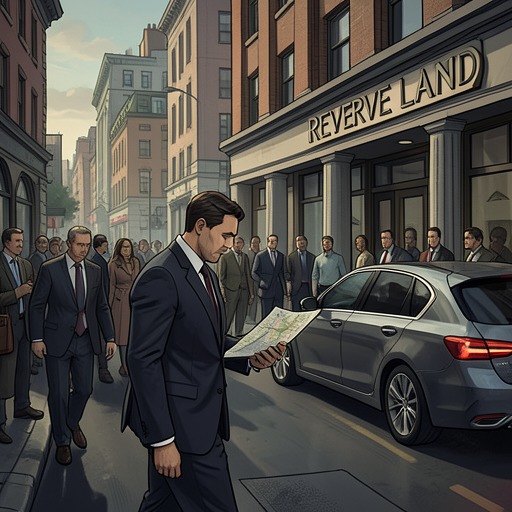
Over fried clams at [Revere Beach](entity:location-recall-location-revere-beach-1c7c18e437a3), [Henry Cimoli](entity:character-recall-character-henry-cimoli-9fa7308bbe06) tells [Spenser](entity:character-recall-character-spenser-71951ce33cc2) that men have threatened him over a proposed buyout of his [Ocean View](entity:object-recall-object-ocean-view-695c7deabdbe) condo. He refuses to move: the apartment holds memories of the woman he loved and lost, and he still cherishes the view.
Early spring, during the beach conversation
A Favor for Henry
Henry explains that a prospective buyer wants residents to sell, and that one of the hired men insulted a Jewish neighbor. [Spenser](entity:character-recall-character-spenser-71951ce33cc2) offers to identify the people behind the pressure, though Henry makes clear he wants more than a simple beating.
The following Tuesday morning
Spenser and His Apprentice
Running beside the Charles River, [Spenser](entity:character-recall-character-spenser-71951ce33cc2) and [Zebulon Sixkill](entity:character-recall-character-zebulon-sixkill-98849c565631) discuss their years with Henry and the trust that has grown between them. Zebulon Sixkill reflects on his recovery and his hopes of becoming a private investigator rather than merely a fighter.
Early spring, several days after Henry’s request
Watching Henry’s Building
[Spenser](entity:character-recall-character-spenser-71951ce33cc2) and [Zebulon Sixkill](entity:character-recall-character-zebulon-sixkill-98849c565631) learn that the buyer is concealed behind [Envolve Development](entity:organization-recall-organization-envolve-developm-045526e1ae63) and that its lawyer will not answer questions. They follow Henry home to see whether the intimidators return, agreeing to intervene without drawing guns unless the other men escalate.
That evening, outside the Ocean View
The First Attack
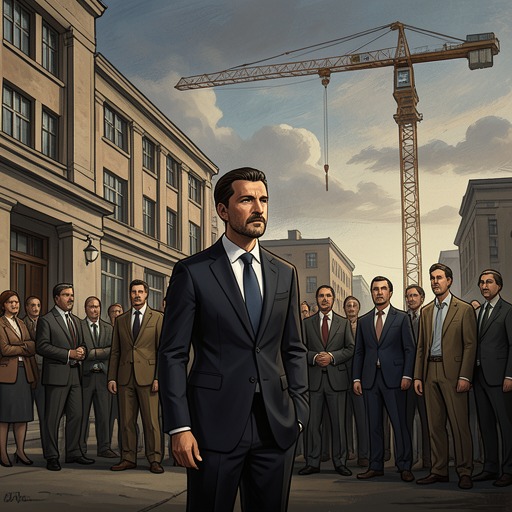
Three men surround Henry under the entrance portico, knock away his gym bag, and provoke him into a fight. [Spenser](entity:character-recall-character-spenser-71951ce33cc2) and [Zebulon Sixkill](entity:character-recall-character-zebulon-sixkill-98849c565631) get out of their vehicle and face the men before the encounter can turn into an armed assault.
Moments after the first attack
The Hired Men Retreat
[Spenser](entity:character-recall-character-spenser-71951ce33cc2) and [Zebulon Sixkill](entity:character-recall-character-zebulon-sixkill-98849c565631) overpower the two men who stay to fight, while a third escapes. They take the attackers’ guns and press one of the men for the name of whoever hired them.
The same night
A Woman’s Phone Number
The captured thug says a woman recruited him through an intermediary and gave him a phone number on a napkin. He cannot identify her, but the lead gives [Spenser](entity:character-recall-character-spenser-71951ce33cc2) a way to draw the woman into a conversation.
That evening, at the Fenway Howard Johnson’s
The Hong Kong Café Meeting
[Spenser](entity:character-recall-character-spenser-71951ce33cc2) calls the number and waits at the [Hong Kong Café](entity:location-recall-location-hong-kong-caf-9fac11c13dd7), where the woman who arrives is Jemma Fraser. He pretends to be one of the hired men and tells her the [Ocean View](entity:object-recall-object-ocean-view-695c7deabdbe) residents will not give in.
During the Hong Kong Café meeting
Jemma’s Threat
Jemma insists that the intimidation is not her problem and gives the supposed thug until the end of the week to force a result. Her confidence, authority, and warning not to follow her identify her as more than a low-level contact.
Later that night
Zebulon Sixkill Follows Jemma
[Spenser](entity:character-recall-character-spenser-71951ce33cc2) sends [Zebulon Sixkill](entity:character-recall-character-zebulon-sixkill-98849c565631) after Jemma when she leaves the restaurant. Zebulon Sixkill loses her inside the Four Seasons, but obtains her room name by persuading hotel staff to reveal the guest listed with the room.
The next morning
The Envolve Connection
Using the car information [Zebulon Sixkill](entity:character-recall-character-zebulon-sixkill-98849c565631) collected, [Spenser](entity:character-recall-character-spenser-71951ce33cc2) connects Jemma Fraser to [Envolve Development](entity:organization-recall-organization-envolve-developm-045526e1ae63), a company with a substantial [Boston](entity:location-recall-location-boston-aded649f4602)-area property portfolio. Its public-facing records reveal little about who truly controls it.
Early in the investigation
A Casino Comes Into View
[Spenser](entity:character-recall-character-spenser-71951ce33cc2) learns that Massachusetts has passed a law allowing casinos and that a major license near the city will attract powerful competitors. The proposed [Ocean View](entity:object-recall-object-ocean-view-695c7deabdbe) purchase begins to look like part of a larger development plan rather than an ordinary real-estate deal.
A rainy afternoon, early in the case
Wayne Names the Players
At the Ritz bar, reporter Wayne Cosgrove tells [Spenser](entity:character-recall-character-spenser-71951ce33cc2) that [Rick Weinberg](entity:character-recall-character-rick-weinberg-d358c5a995e9) is a leading [Las Vegas](entity:location-recall-location-2ca5b4ac110f) casino developer and [Harvey Rose](entity:character-recall-character-harvey-rose-46be5cbe1a22) is a serious local competitor. The former [Wonderland dog track](entity:location-recall-location-wonderland-f878f41bb293) could make the [Ocean View](entity:object-recall-object-ocean-view-695c7deabdbe) land valuable to a larger casino proposal.
After the meeting with Wayne Cosgrove
Lennie’s Underworld Lead
[Spenser](entity:character-recall-character-spenser-71951ce33cc2) consults [Lennie Seltzer](entity:character-recall-character-lennie-seltzer-e17a3aca49f3), who confirms that Weinberg is pursuing a [Boston](entity:location-recall-location-boston-aded649f4602) casino and says that local underworld figures have lost ground to legal gambling. Lennie later reports that Weinberg has acquired the [Wonderland](entity:object-recall-object-wonderland-f94c9d8074cf) site.
The next morning
The Board’s Sale Power
At the [Harbor Health Club](entity:location-recall-location-harbor-health-club-bb79f791fe4a), Henry tells [Spenser](entity:character-recall-character-spenser-71951ce33cc2) that the [Ocean View](entity:object-recall-object-ocean-view-695c7deabdbe) board may be able to approve a sale by majority vote. Henry wants leverage against the buyer, but also begins to consider whether a sufficiently good deal could let him expand the gym.
The following morning
Zebulon Sixkill Is Beaten
[Spenser](entity:character-recall-character-spenser-71951ce33cc2) arrives at the [Ocean View](entity:object-recall-object-ocean-view-695c7deabdbe) to find [Zebulon Sixkill](entity:character-recall-character-zebulon-sixkill-98849c565631) badly bruised, with a damaged nose, tooth, and knee. Zebulon Sixkill says two men attacked him, one using a gun, and admits that he eventually stopped fighting back.
Immediately after Zebulon Sixkill’s beating
Spenser Steadies His Apprentice
[Zebulon Sixkill](entity:character-recall-character-zebulon-sixkill-98849c565631) is ashamed that he was overcome and talks about wanting revenge. [Spenser](entity:character-recall-character-spenser-71951ce33cc2) reminds him that two attackers and a gun changed the odds, and that a professional must learn from a defeat rather than let it dictate the next move.
The next morning
Residents Describe the Harassment
[Spenser](entity:character-recall-character-spenser-71951ce33cc2) and [Zebulon Sixkill](entity:character-recall-character-zebulon-sixkill-98849c565631) attend a meeting with Henry and [Ocean View](entity:object-recall-object-ocean-view-695c7deabdbe) residents. The board members describe vandalism, threats, fear of going out, and the attack that injured Zebulon Sixkill, while making clear that many owners still want to sell.
After the residents’ meeting
Henry Seeks a Better Price
Henry tells [Spenser](entity:character-recall-character-spenser-71951ce33cc2) he wants to make the buyer pay for the pressure campaign, not merely accept the original offer. Spenser explains that the best leverage may be proof connecting the buyer to the concealed casino project.
The following days
Spenser Identifies Weinberg
[Spenser](entity:character-recall-character-spenser-71951ce33cc2) finds a profile of Jemma Fraser identifying her as a senior executive at [Rick Weinberg](entity:character-recall-character-rick-weinberg-d358c5a995e9)’s company. He recognizes that the woman behind the [Ocean View](entity:object-recall-object-ocean-view-695c7deabdbe) intimidation is tied directly to the casino developer whose identity has been hidden.
Around the middle of the first investigation
Rita Searches the Property Trail
[Spenser](entity:character-recall-character-spenser-71951ce33cc2) asks attorney [Rita Fiore](entity:character-recall-character-rita-fiore-66d4f9007129) to investigate the ownership behind the [Ocean View](entity:object-recall-object-ocean-view-695c7deabdbe) offer and the [Wonderland](entity:object-recall-object-wonderland-f94c9d8074cf) land. Her firm cannot quickly establish a clean link between the corporate layers and Weinberg, reinforcing how deliberately the purchases have been concealed.
After Rita Fiore’s search
The Hidden Wonderland Purchase
[Spenser](entity:character-recall-character-spenser-71951ce33cc2) turns to [Lennie Seltzer](entity:character-recall-character-lennie-seltzer-e17a3aca49f3), who uses underworld contacts to confirm that Weinberg secretly bought the [Wonderland](entity:object-recall-object-wonderland-f94c9d8074cf) track after it closed. The revelation gives Spenser a strong lead, though he still needs documentary proof that will stand up in a negotiation.
That night
A Tail in the Night
After leaving Lennie, [Spenser](entity:character-recall-character-spenser-71951ce33cc2) notices a car following him and tries to shake it by changing direction. It disappears before he can identify the occupants, an early sign that someone is watching his investigation.
The next day
Weinberg Arrives in Boston
[Spenser](entity:character-recall-character-spenser-71951ce33cc2) watches Jemma Fraser leave the Four Seasons with an older, heavily altered-looking man and recognizes him as likely [Rick Weinberg](entity:character-recall-character-rick-weinberg-d358c5a995e9). He follows their Lincoln to properties near the former [Wonderland](entity:object-recall-object-wonderland-f94c9d8074cf) track, where Weinberg inspects land with a surveyor.
During the land surveillance
Blanchard Confronts Spenser
[Lewis Blanchard](entity:character-recall-character-lewis-blanchard-8ee61900fd71), Weinberg’s armed driver and protector, spots [Spenser](entity:character-recall-character-spenser-71951ce33cc2) at the [Boston](entity:location-recall-location-boston-aded649f4602) Harbor Hotel and confronts him. Spenser makes clear that he knows the [Ocean View](entity:object-recall-object-ocean-view-695c7deabdbe) land matters to Weinberg and warns that continued intimidation will raise the price.
Soon after the confrontation with Blanchard
Proof from Las Vegas
[Spenser](entity:character-recall-character-spenser-71951ce33cc2) hires Bernard J. Fortunato to compare the hidden Massachusetts corporations with Nevada company records. Fortunato finds the matching corporate links that establish Weinberg’s ownership of [Wonderland](entity:object-recall-object-wonderland-f94c9d8074cf).
The next morning
A Warning at Wonderland
[Spenser](entity:character-recall-character-spenser-71951ce33cc2) and [Zebulon Sixkill](entity:character-recall-character-zebulon-sixkill-98849c565631) visit the abandoned [Wonderland](entity:object-recall-object-wonderland-f94c9d8074cf) track and reflect on the vanished amusement park and the people who once worked there. Spenser tries to help Zebulon Sixkill process his beating, but the younger man insists that he is fine.
Later that morning
The Evidence Is Delivered
[Spenser](entity:character-recall-character-spenser-71951ce33cc2) and [Zebulon Sixkill](entity:character-recall-character-zebulon-sixkill-98849c565631) follow Weinberg and Blanchard to a parking lot, where Spenser presents the corporate records linking the Nevada and Massachusetts companies. Blanchard dismisses the evidence, but Spenser threatens to take the story to the Globe and expose the concealed purchase.
The next evening
Weinberg Agrees to Meet
Jemma Fraser offers [Spenser](entity:character-recall-character-spenser-71951ce33cc2) money to stop investigating, then returns with an invitation from Weinberg after he refuses. Spenser accepts, intending to secure an apology for Henry and to put the [Ocean View](entity:object-recall-object-ocean-view-695c7deabdbe) owners in a position to negotiate directly.
That night
The Dinner Apology
At dinner, Weinberg apologizes for the hired men’s behavior and says their actions were not his intention. [Spenser](entity:character-recall-character-spenser-71951ce33cc2) doubts that the billionaire was truly ignorant, but listens as Weinberg asks for a chance to present a better offer to the [Ocean View](entity:object-recall-object-ocean-view-695c7deabdbe) board.
During the dinner
The Casino Dream
Weinberg describes a [Wonderland](entity:object-recall-object-wonderland-f94c9d8074cf) development built around spectacle, art, and a revival of the old amusement park’s Alice imagery. [Susan Silverman](entity:character-recall-character-susan-silverman-333be597bc18) challenges his claims about gambling’s harms, while he counters with jobs, tourism, and investment.
The following morning
A New Offer for Ocean View
Jemma Fraser brings [Spenser](entity:character-recall-character-spenser-71951ce33cc2) a sealed offer from Weinberg for the [Ocean View](entity:object-recall-object-ocean-view-695c7deabdbe) residents. She also says Weinberg has dismissed her, though her strained answer leaves Spenser uncertain about what is happening inside the company.
Soon after the offer is delivered
The Board Accepts
Weinberg presents the proposal to the [Ocean View](entity:object-recall-object-ocean-view-695c7deabdbe) board, promising a substantial bonus if the casino receives its license. With [Rita Fiore](entity:character-recall-character-rita-fiore-66d4f9007129)’s legal review behind them, the residents unanimously accept the deal.
Revealed after the board meeting
A Daughter’s Kidnapping
Blanchard tells [Spenser](entity:character-recall-character-spenser-71951ce33cc2) that Weinberg’s daughter was kidnapped two years earlier and released after the family paid five million dollars. The episode helps explain why Blanchard guards the Weinbergs so closely and why he accepts the risks of the job.
Two nights after the board meeting, before dawn
Weinberg Is Found Dead
State troopers take [Spenser](entity:character-recall-character-spenser-71951ce33cc2) to the [Wonderland](entity:object-recall-object-wonderland-f94c9d8074cf) parking lot, where police have found a rental car with [Rick Weinberg](entity:character-recall-character-rick-weinberg-d358c5a995e9)’s severed head in the trunk. The brutality turns Spenser’s real-estate investigation into a murder case.
The morning after the discovery
Rachel Seeks Help
At the Four Seasons, [Rachel Weinberg](entity:character-recall-character-rachel-weinberg-93a93b68c314) and [Lewis Blanchard](entity:character-recall-character-lewis-blanchard-8ee61900fd71) answer questions about Rick’s movements, relationships, and enemies. Blanchard reveals that Rick had been seeing Jemma Fraser, whose whereabouts are unknown.
Later that morning
Spenser Takes the Case
Rachel and Blanchard ask [Spenser](entity:character-recall-character-spenser-71951ce33cc2) to help investigate the murder. Despite having recently worked against Weinberg’s interests, Spenser agrees, both because he liked the dead man and because the [Ocean View](entity:object-recall-object-ocean-view-695c7deabdbe) deal may still depend on resolving the case.
That morning
Zebulon Sixkill Returns to Work
Over breakfast, [Zebulon Sixkill](entity:character-recall-character-zebulon-sixkill-98849c565631) objects to helping the Weinbergs, whom he considers dishonest and dangerous. [Spenser](entity:character-recall-character-spenser-71951ce33cc2) argues that the matter now affects Henry’s agreement as well as the murder, and asks Zebulon Sixkill to help locate Jemma.
The following day
Harvey Rose Turns Spenser Away
[Spenser](entity:character-recall-character-spenser-71951ce33cc2) visits [Harvey Rose](entity:character-recall-character-harvey-rose-46be5cbe1a22)’s home, claiming to have an appointment, but finds Rose absent and meets his wary wife. When he returns, Rose’s armed guards refuse to let him question their employer about Weinberg’s death.
That afternoon
Bryant Crowder Is Cornered
At the [Hong Kong Café](entity:location-recall-location-hong-kong-caf-9fac11c13dd7), [Spenser](entity:character-recall-character-spenser-71951ce33cc2) and [Zebulon Sixkill](entity:character-recall-character-zebulon-sixkill-98849c565631) ask the bartender about the thug who arranged the [Ocean View](entity:object-recall-object-ocean-view-695c7deabdbe) job. When the black assailant from the earlier fight appears, Zebulon Sixkill chases and captures him outside the motel.
Immediately after the capture
Weatherwax’s Name Emerges
The captured man identifies his employer as [Jacky Wax](entity:character-recall-character-jacky-wax-498d9fc077fa), also known as John Weatherwax. [Spenser](entity:character-recall-character-spenser-71951ce33cc2) recognizes the name as belonging to a dangerous criminal with connections to [Boston](entity:location-recall-location-boston-aded649f4602)’s violent underworld.
That evening
Jacky Wax Warns Them
At the Purple Banana, [Jacky Wax](entity:character-recall-character-jacky-wax-498d9fc077fa) admits that Jemma Fraser had sought help because someone wanted to kill her. He refuses to become involved, citing the money and guns surrounding the casino fight, and warns [Spenser](entity:character-recall-character-spenser-71951ce33cc2) that the opposition is far beyond ordinary local crews.
The following day
Henry Worries About Zebulon Sixkill
Henry hears that [Zebulon Sixkill](entity:character-recall-character-zebulon-sixkill-98849c565631) fought again and worries that anger may be driving him back toward destructive habits. [Spenser](entity:character-recall-character-spenser-71951ce33cc2) agrees that Zebulon Sixkill’s physical return to work does not mean he has recovered emotionally.
Several days later, in the evening
Jemma Calls for Help
Jemma Fraser calls [Spenser](entity:character-recall-character-spenser-71951ce33cc2) from [Copley Place](entity:location-recall-location-copley-place-d5e2e34e101c), saying that men are following her and that she fears ending up like Weinberg. She says her credit cards are frozen and she has nowhere to go, so Spenser directs her to the Legal restaurant.
That evening, at the Legal restaurant
Jemma Describes Weinberg’s Last Visit
[Spenser](entity:character-recall-character-spenser-71951ce33cc2) finds Jemma frightened and drinking. She says Weinberg came to her hotel room after dinner, drunk and seeking intimacy, but left after she refused him; she cannot say where he went afterward.
Late that night
The Attack on Marlborough Street
[Spenser](entity:character-recall-character-spenser-71951ce33cc2) brings Jemma to his apartment, where two men try to drag her into a car. He fights them off, and one man is fatally shot during the struggle while the other escapes.
After the street shooting
Jimmy Carlucci Is Identified
At [Boston Police Headquarters in Roxbury](entity:location-recall-location-roxbury-996b73ea9321), detectives identify the dead attacker as [Jimmy Carlucci](entity:character-recall-character-jimmy-carlucci-c2675ce35e32), a criminal associated with his brother Tommy and with Gino Fish’s circle. [Spenser](entity:character-recall-character-spenser-71951ce33cc2) learns that the attack has made him a target in a conflict involving organized crime.
Before dawn, after the police interview
Zebulon Sixkill Stands Guard
[Zebulon Sixkill](entity:character-recall-character-zebulon-sixkill-98849c565631) waits outside [Spenser](entity:character-recall-character-spenser-71951ce33cc2)’s apartment and insists on staying nearby despite his injuries. Spenser expects Gino Fish to demand a meeting, and Zebulon Sixkill makes clear that he will not leave Spenser to face the danger alone.
The same night
Jemma Reveals the Political Arrangement
At [Spenser](entity:character-recall-character-spenser-71951ce33cc2)’s apartment, Jemma says Weinberg had secretly arranged for a politician to help pass the gaming initiative and coordinate a share of the proceeds with local organized crime. She says Rick alone knew the official’s identity and the details.
The next morning
Vinnie Delivers Gino’s Warning
Vinnie Morris visits [Spenser](entity:character-recall-character-spenser-71951ce33cc2) and tells him that Gino Fish wants him to back off. He denies that Gino’s organization killed Weinberg and warns that the casino project involves too much money for Spenser to treat the case as a simple local dispute.
That morning
Jemma Claims the Company
Jemma explains that she was not actually fired: the supposed dismissal helped secure the [Ocean View](entity:object-recall-object-ocean-view-695c7deabdbe) agreement. She says Weinberg named her as his successor and that she now runs [Weinberg Entertainment](entity:organization-recall-organization-weinberg-enterta-917056bc416f), including the [Boston](entity:location-recall-location-boston-aded649f4602) development.
The following days
A New Bid Threatens Henry’s Deal
Henry tells [Spenser](entity:character-recall-character-spenser-71951ce33cc2) that another buyer has offered substantially more for the [Ocean View](entity:object-recall-object-ocean-view-695c7deabdbe) units and that some board members want to reconsider their agreement. Henry says he will honor his handshake with Weinberg, even though the new uncertainty puts his plans at risk.
Soon after the competing offer appears
Spenser’s Office Is Ransacked
[Spenser](entity:character-recall-character-spenser-71951ce33cc2) returns to find his office torn apart, his files scattered, furniture damaged, and his printer broken. Whoever searched the room was looking for something specific, but the intruders leave his gun, whiskey, and artwork behind.
The next day
Wayne Finds Perotti’s Donation Trail
Wayne Cosgrove finds that Weinberg’s front company contributed heavily to a political fund associated with the brother of House Speaker [Joseph G. Perotti](entity:character-recall-character-joseph-g-perotti-ef7b36d0bb7e). Later filings show that [Harvey Rose](entity:character-recall-character-harvey-rose-46be5cbe1a22) has also contributed, suggesting that the speaker may have switched allegiance.
That afternoon
Spenser Confronts the Speaker
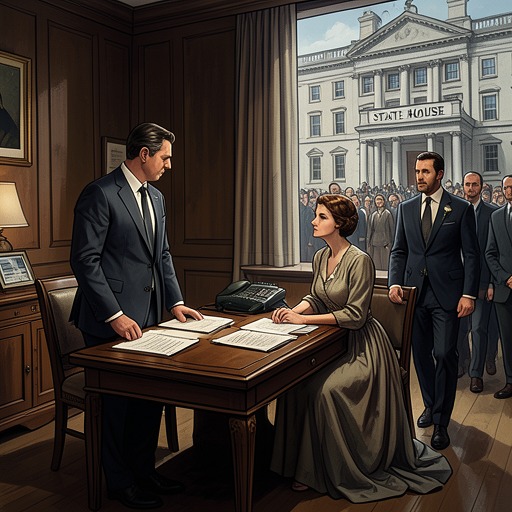
[Spenser](entity:character-recall-character-spenser-71951ce33cc2) and [Zebulon Sixkill](entity:character-recall-character-zebulon-sixkill-98849c565631) approach [Joseph G. Perotti](entity:character-recall-character-joseph-g-perotti-ef7b36d0bb7e) at the [Massachusetts State House](entity:location-recall-location-02a66974e628). Perotti denies knowing Gino Fish or having brokered a deal, then has security escort Spenser from the building.
That evening
Blanchard Confirms the Payoff Stakes
[Lewis Blanchard](entity:character-recall-character-lewis-blanchard-8ee61900fd71) confirms that Perotti was central to Weinberg’s effort to secure political support and that Rick had been trying to settle the terms. Blanchard also says Gino Fish’s approval mattered to the project, though he does not know whether an agreement was reached.
The next morning
The Vegas Killers Are Found
Healy tells [Spenser](entity:character-recall-character-spenser-71951ce33cc2) that two men from [Las Vegas](entity:location-recall-location-2ca5b4ac110f), James Congiusti and Anton Nelson, have been shot at close range in [Chelsea](entity:location-recall-location-7dc0d75bc5c7). Their violent reputations and out-of-town connections suggest that the casino conflict has brought professional killers into Massachusetts.
Later that day
The Rose System
[Spenser](entity:character-recall-character-spenser-71951ce33cc2) visits the dean of Harvard Business School and learns how [Harvey Rose](entity:character-recall-character-harvey-rose-46be5cbe1a22) built his career through data-driven consumer prediction. Rose’s model treats customers as measurable patterns, allowing a casino to shape behavior while setting aside moral questions.
That afternoon
Jemma’s Harvard Reputation
Former classmate Stephanie Cho recalls that Jemma Fraser studied under Rose and was unusually close to him, often seeming to work as his personal assistant. Cho describes Rose’s teaching as a method for turning consumer data into a tool of manipulation.
That evening, at Danehy Park
Zebulon Sixkill Admits the Affair
[Zebulon Sixkill](entity:character-recall-character-zebulon-sixkill-98849c565631) tells [Spenser](entity:character-recall-character-spenser-71951ce33cc2) that he and Jemma have had sex and that she asks him questions about Spenser, Rachel, and the police investigation. He also reveals that Jemma has accused Spenser of taking advantage of her, a claim Zebulon Sixkill pretends to believe while secretly gathering information.
Two days later
The Spreadsheet Arrives
An anonymous package arrives at [Spenser](entity:character-recall-character-spenser-71951ce33cc2)’s office containing a flash drive with a spreadsheet of bank transfers and payments linked to [Joseph G. Perotti](entity:character-recall-character-joseph-g-perotti-ef7b36d0bb7e). Spenser suspects that someone who searched his office believes he has important evidence.
Later that day
Wayne Verifies the Records
Wayne examines the spreadsheet and finds what appear to be illegal payments reaching Perotti, including money from companies associated with Gino Fish. He cautions that the material still needs verification, but recognizes its potential to expose a major political scandal.
That evening
Spenser Visits Gino Fish
[Spenser](entity:character-recall-character-spenser-71951ce33cc2) takes the flash drive to Gino Fish’s office and offers it as a gesture of good faith. He asks who killed Weinberg, while Gino acknowledges that he may now prefer working with [Harvey Rose](entity:character-recall-character-harvey-rose-46be5cbe1a22) and does not intend to partner with Jemma.
During the meeting with Gino
Gino Warns of Outsiders
Gino denies ordering Weinberg’s murder but confirms that dangerous newcomers have arrived from the west. He also implies that the [Las Vegas](entity:location-recall-location-2ca5b4ac110f) killers were involved in a conflict over someone taking something that did not belong to her.
After Rachel returns from Las Vegas
Rachel Blames Jemma
Rachel tells [Spenser](entity:character-recall-character-spenser-71951ce33cc2) that Jemma has made a mess of the company and may have broken into [Harvey Rose](entity:character-recall-character-harvey-rose-46be5cbe1a22)’s offices. She is furious that Jemma has secured control of [Weinberg Entertainment](entity:organization-recall-organization-weinberg-enterta-917056bc416f) and is pushing Rachel off the board.
At the Four Seasons, after Rachel’s return
Spenser Is Dismissed
Blanchard tells [Spenser](entity:character-recall-character-spenser-71951ce33cc2) that the Weinberg organization has its own people and that his services are no longer wanted. Spenser senses that the family is withholding critical information, but Blanchard insists the decision is final.
The following days
Zebulon Sixkill Disappears
Henry and [Spenser](entity:character-recall-character-spenser-71951ce33cc2) discover that [Zebulon Sixkill](entity:character-recall-character-zebulon-sixkill-98849c565631) has left the apartment Henry provided him, without saying where he is going. Jemma is also gone, and an empty whiskey bottle raises concern that Zebulon Sixkill may be drinking again.
After Zebulon Sixkill’s disappearance
The Murderers Are Identified
Healy tells [Spenser](entity:character-recall-character-spenser-71951ce33cc2) that the two [Las Vegas](entity:location-recall-location-2ca5b4ac110f) killers were responsible for Weinberg’s murder, citing Weinberg’s DNA in the trunk and a receipt for a chainsaw. The investigation still lacks evidence identifying whoever hired them.
That evening
A Search of Las Vegas Records
Unable to locate Jemma or [Zebulon Sixkill](entity:character-recall-character-zebulon-sixkill-98849c565631), [Spenser](entity:character-recall-character-spenser-71951ce33cc2) asks Bernard J. Fortunato to check Nevada court records for disputes involving the Weinbergs and Jemma. He hopes a legal filing will reveal a motive for the hidden conflict inside the company.
Later that night
The Divorce Filing
Fortunato reports that Rick filed for divorce from Rachel two weeks before his death. The revelation changes the apparent motive: Rachel may have faced not only the loss of her husband but also exclusion from the company and its wealth.
After the divorce filing is discovered
Texts from Rick’s Phone
[Spenser](entity:character-recall-character-spenser-71951ce33cc2) obtains an envelope of messages between Rick and Rachel through the police investigation. He arranges a late-night meeting with Blanchard and presents the messages as proof that Rachel drew Rick out alone before his murder.
That night, in the Boston Public Garden
Blanchard Pulls a Gun
Blanchard reacts to the messages by threatening [Spenser](entity:character-recall-character-spenser-71951ce33cc2) at gunpoint and ordering him toward the Common. Spenser presses him about why he continues protecting Rachel and whether the apparent divorce supplied the motive for the killing.
Moments later
Henry Stops Blanchard
When Blanchard tries to force [Spenser](entity:character-recall-character-spenser-71951ce33cc2) to the ground, Henry emerges from the darkness with a shotgun. Blanchard gives up his weapon, allowing Spenser to take control of the confrontation.
During the confrontation
Blanchard Reveals the Kidnapping
Blanchard admits that Rachel engineered Rick’s murder and that he learned the truth only after the killing. He says a professional called the Executioner took Jemma and [Zebulon Sixkill](entity:character-recall-character-zebulon-sixkill-98849c565631) to [Wonderland](entity:object-recall-object-wonderland-f94c9d8074cf) to interrogate and bury them.
Just after midnight
The Search Begins
[Spenser](entity:character-recall-character-spenser-71951ce33cc2) and Henry drive to the abandoned [Wonderland](entity:object-recall-object-wonderland-f94c9d8074cf) site, where they find [Zebulon Sixkill](entity:character-recall-character-zebulon-sixkill-98849c565631)’s Mustang. Spenser calls Healy for help but refuses to wait, fearing that every minute may put the captives in greater danger.
That night, inside Wonderland
Jemma Is Found Dead
[Spenser](entity:character-recall-character-spenser-71951ce33cc2) and Henry enter the derelict track and find Jemma’s battered body in the clubhouse. Her death confirms that the kidnappers have already used extreme violence and sharpens the urgency of finding [Zebulon Sixkill](entity:character-recall-character-zebulon-sixkill-98849c565631).
Moments after Jemma is found
The Executioner’s Death
Following a generator’s hum, [Spenser](entity:character-recall-character-spenser-71951ce33cc2) and Henry reach a kennel where a torturer hangs dead from chains beside the equipment used on his captive. The dead man is not [Zebulon Sixkill](entity:character-recall-character-zebulon-sixkill-98849c565631), and his body shows that Zebulon Sixkill fought back.
The same night, in the kennel
Zebulon Sixkill Is Rescued
[Spenser](entity:character-recall-character-spenser-71951ce33cc2) and Henry find [Zebulon Sixkill](entity:character-recall-character-zebulon-sixkill-98849c565631) alive but severely injured, with burns, wounds, and extensive bruising. Henry presses a torn shirt to his injuries while sirens approach; Spenser tells him Zebulon Sixkill survived because he finished the fight.
Very early the next morning
Rachel Is Arrested
At [1010 Commonwealth Avenue](entity:location-recall-location-1010-commonwealth-av-0558dd4e4a71), [Spenser](entity:character-recall-character-spenser-71951ce33cc2) watches police interrogate Rachel, who alternates between anger and grief. Blanchard has given the investigators a full account, and the messages and circumstances leave Rachel facing a murder case even though she does not confess.
Immediately after the interrogation
Spenser Stays with Zebulon Sixkill
[Spenser](entity:character-recall-character-spenser-71951ce33cc2) leaves the police station and goes to [Massachusetts General Hospital](entity:location-recall-location-massachusetts-genera-f3068144035f), remaining there for ten days while [Zebulon Sixkill](entity:character-recall-character-zebulon-sixkill-98849c565631) recovers. Susan returns to [Boston](entity:location-recall-location-boston-aded649f4602), and Henry takes care of [Pearl](entity:character-recall-character-pearl-ff6440919e73) during Spenser’s vigil.
Nearly a month later
The Bribery Story Breaks
A front-page story by Wayne Cosgrove exposes the payments linking Gino Fish and [Joseph G. Perotti](entity:character-recall-character-joseph-g-perotti-ef7b36d0bb7e). Vinnie Morris confronts [Spenser](entity:character-recall-character-spenser-71951ce33cc2), saying Spenser’s earlier dealings with Gino did not authorize him to help make the information public.
The same morning
The Raids Reach Beacon Hill
Vinnie tells [Spenser](entity:character-recall-character-spenser-71951ce33cc2) that the Federal Bureau of Investigation has raided Gino’s office and removed Perotti from the State House. The scandal damages the political arrangement surrounding the casino contest, while worsening Spenser’s relationship with Gino’s organization.
Later that day
The Cape Cod Journey
[Spenser](entity:character-recall-character-spenser-71951ce33cc2) and Susan drive toward Cape Cod with [Pearl](entity:character-recall-character-pearl-ff6440919e73), while [Zebulon Sixkill](entity:character-recall-character-zebulon-sixkill-98849c565631) stays in Cambridge for physical therapy and counseling. Susan suggests that [Harvey Rose](entity:character-recall-character-harvey-rose-46be5cbe1a22) may have benefited from the whole chain of events, even if his own hands remain clean.